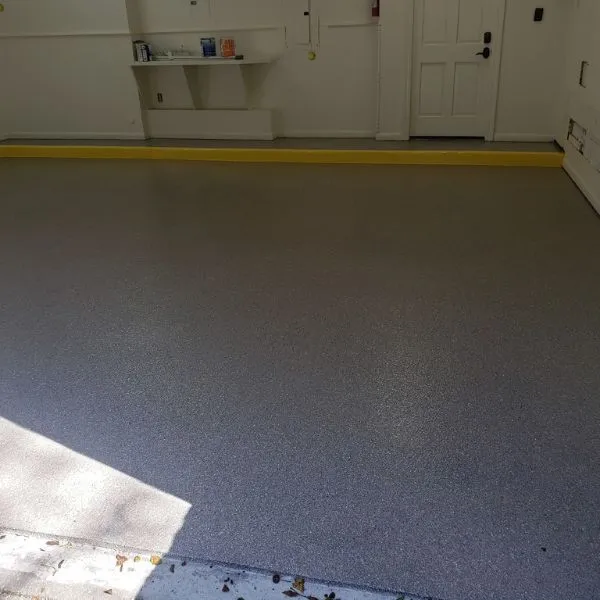
In Collier County, keeping an epoxy floor looking new is mostly about staying ahead of one thing: salt-laced sand. Sweep the grit off every few days, damp-mop with a pH-neutral cleaner when it dulls, hose down anything that catches sea breeze or pool splash, and never reach for vinegar or a scour pad. Do that and a properly installed floor shrugs off our coast for years.
Most epoxy-maintenance advice online is written for a dry, inland garage. Naples is the opposite environment. Between the beachfront blocks of Old Naples and Pelican Bay, the miles of finger-canal and Gulf-front homes across Marco Island and Aqualane Shores, and a rainy season that runs roughly June through November, our floors face salt air, blowing sand, and storm-season grit that a Denver garage never sees. The good news is the coating itself does not mind any of it; a quality epoxy or polyaspartic system is seamless, non-porous, and fully waterproof. What you are really protecting is the thin clear gloss on top, and the local habits below are built around exactly that.
Whether you have a flake garage floor in Golden Gate, a metallic interior in Vineyards, or a coated lanai a few blocks off the beach in Marco Island, the routine is the same idea tuned for the coast. If your floor is already past the point cleaning fixes, Blake and his crew will take a look for free, call (239) 323-9216.
Why Naples Floors Need a Coastal Routine
The single thing that ages a floor here is not water, sun, or even hot tires, it is fine salt-and-sand grit getting dragged across the clear topcoat. Living within a few miles of the Gulf of Mexico means that grit is everywhere: it blows off the beaches and dunes, dries out of canal spray off Naples Bay, and rides in on shoes, paws, beach gear, and boat trailers. Underfoot and under tires it behaves like a mild polishing compound, and over a season or two it is what turns a mirror-gloss garage in North Naples flat and tired.
That is why a Naples maintenance routine leans harder on grit removal than the generic advice does. You are not scrubbing harder, you are sweeping more often so abrasion never gets a chance to start. Get that one habit right and the rest of the routine is genuinely minutes a week.
The Salt-and-Sand Cleaning Routine
Here is the rhythm we recommend for a typical Naples home, tightened up for how much sand and salt the coast throws at a floor. Inland markets can stretch these intervals; near the water, keep to them.
| Task | How Often (coastal Naples) | How |
|---|---|---|
| Sweep / dust-mop | Every 2–3 days near the water | Soft broom or microfiber dust-mop to lift salt grit and sand |
| Damp-mop | Monthly, or when the gloss dulls | Microfiber pad, warm water, pH-neutral cleaner, then rinse |
| Rinse open / pool-deck surfaces | Occasionally | Garden hose to flush salt and chlorine off the topcoat |
| Spot-clean spills | As they happen | Soft cloth, then pH-neutral cleaner and a clean-water wipe |
A few notes on why each step matters here. The frequent sweep is the load-bearing one, because salt grit is the abrasive Naples floors fight; a walk-off mat at the bay door and inside any door from a lanai or dock catches a lot of it before it ever reaches the coating. On the damp-mop, the rinse is not optional in this climate, leftover cleaner films attract more salt dust and dry into a haze. And note there is no waxing, sealing, or buffing in any of this; those belong to other floor types, not a quality epoxy or polyaspartic system.
Storm Season, Humidity & Canal-Front Homes
Three things make caring for a floor in Naples genuinely different from anywhere dry, and all three follow the calendar and the geography down here.
Rainy-season and storm grit
From early summer into late fall, afternoon storms and the occasional tropical system push sandy runoff, mulch, and yard debris under garage doors and across open carports. The coating is fully waterproof, so a wet floor is never the problem, but the gritty silt that water leaves behind is. After a storm, sweep the loose debris out first so you are not grinding it into the gloss, then hose and damp-mop. If you ever notice the edges of the coating lifting or bubbling after repeated soakings, that is a slab-moisture signal, not a cleaning one.
Humidity and a sweating slab
Naples humidity stays high nearly year-round, and on a muggy morning a cool slab can sweat as moist air condenses on the surface. On a sealed floor the water sits harmlessly on top, but it can make the surface briefly slick and, worse, it can dry tracked-in salt into a stubborn haze. Cracking the bay door or running a fan on the stickiest days keeps the surface dry, and staying on top of the sweep means moisture and grit never team up into a film.
Canal-front, dock, and pool-deck surfaces
Plenty of Naples homes sit on a finger canal or a short walk from Naples Bay and the Gulf beaches, and those waterfront garages, docksides, and coated pool decks and lanais get a double dose of salt spray and chlorine plus full sub-tropical sun. Rinse them with a hose regularly to flush salt and pool chemicals before they crust, sweep the sand, and do not leave rubber mats or planters parked in one spot for weeks, since trapped moisture and rubber can mark the finish. A UV-stable polyaspartic topcoat is what holds its color out in that sun, which is exactly what we spec for exposed Naples surfaces.
Coast Already Won the Battle With Your Floor?
If sweeping and mopping no longer bring the shine back, the topcoat may be worn thin from years of salt grit. Our crew will take a look and give you a real Collier County number, free.
Removing the Stains a Southwest Florida Garage Sees
Because the surface is sealed and non-porous, almost nothing soaks into an epoxy floor, so the marks you do get lift with patience and a gentle product rather than anything harsh. These four are the ones we get asked about most in Naples garages, and none of them needs an acid.
Hot-tire pickup (worse in our summers)
Naples summer driveways and roads run blistering hot, and when a car rolls into the garage and parks, those soft tires can grab at a thin coating and leave cloudy or sticky patches, classic hot-tire pickup. Work a pH-neutral or epoxy-safe degreaser into the spot, give it a few minutes to soften, agitate with a soft white pad, and rinse. Never a scour pad or a solvent. A proper polyaspartic topcoat barely shows this, so if the marks lift but keep returning, the floor is telling you the coating is too thin.
Oil, fuel, and boat-related drips
Plenty of Naples garages double as a spot for the boat, the jet ski, or the trailer, so along with engine oil you get fuel and two-stroke mix on the floor. All of it wipes up easily when fresh because it cannot penetrate a sealed coating: blot the bulk with a paper towel, work in a diluted pH-neutral degreaser, let it sit briefly, then wipe and rinse. A second pass clears an older spot. Skip strong solvent degreasers that can cloud the finish.
Rust from damp metal
In a humid coastal garage, anything steel left sitting on the floor, a jack stand, a tool, a folding chair, a planter, will rust where it touches and stamp a brown ring on the surface. Lift the item, dry the area, and clean the mark with a soft nylon brush and a pH-neutral cleaner. Do not grab a typical rust remover; almost all are acidic and will etch the topcoat. Felt pads or a mat under metal feet stop it from happening again.
Paint and dried spills
Latex paint and most household chemicals wipe off while still wet. If something has dried, soften it with warm soapy water and lift the edge with a plastic putty knife or an old credit card held flat, never a metal blade or razor that can gouge the coating, and the bulk usually pops off the seamless surface. Rinse afterward. The trick is simply to act before a spill fully cures and to keep your tools soft.
Protecting the Finish & When to Recoat
Cleaning keeps the floor looking good; a few protective habits decide how many years it stays that way. The clear coat on top is a sacrificial wear layer, so the gentler you are with it, the longer it goes before it ever needs attention.
- Park on a mat where the car or boat trailer sits. A mat under the parking spot catches the worst of the hot-tire transfer and the salt grit dropping off the tires, and it is the single cheapest thing you can do to extend the gloss in a coastal garage.
- Put walk-off mats at every sandy entry. One at the bay door and one inside any door from a lanai, dock, or pool deck stops most of the beach sand before it reaches the coating.
- Felt-pad anything heavy. Workbenches, rolling tool chests, and storage shelves should ride on felt pads or casters so they cannot scratch the finish, and lift rather than drag jacks, ladders, and cabinets, since dragging metal is the fastest way to leave a permanent scratch.
- Rinse the salt off, don't let it sit. For open garages, docksides, and pool decks, an occasional hose-down keeps salt and chlorine from crusting on the surface between mops.
Even with good care, the wear coat slowly thins, and our salt-and-sand environment uses it up a little faster than a dry climate does. When a floor looks permanently dull despite proper cleaning, that is usually the topcoat asking for a refresh, not the floor failing. A pro can scuff and lay a fresh wear coat over a sound floor and bring the original gloss back, and because it reuses the existing system, a recoat runs a fraction of a full rebuild rather than the roughly $2,000 to $4,500 a new two-car flake garage costs here, or $4,000 to $5,500 with a polyaspartic topcoat over that flake. How often you need one depends on traffic and coastal exposure, our guide on how long epoxy floors last in Collier County digs into that.
When to Call a Pro
Routine care is a homeowner job, but a few things are signals to stop scrubbing and bring in a professional. Knowing the difference keeps you from over-working a stain that will not move or ignoring a problem that only spreads, the second one especially matters in Naples.
- Deep or set-in stains that will not lift. If a mark survives a couple of proper cleaning passes, a pro has the floor-safe products and technique to clear it without risking the finish, and can tell you whether a recoat is the smarter fix.
- A dull, worn topcoat that cleaning will not revive. When the gloss is gone for good in the parking and walking lanes, the wear layer is spent and the floor is due for a recoat, not more elbow grease.
- Any peeling, bubbling, or blistering, treat this as urgent. Coating that lifts or flakes is almost never a cleaning issue. In Naples it usually points to moisture pushing up through the slab, which is common given our high water table and the near-sea-level elevation across much of the county. It will not improve on its own. Our guide on why epoxy floors fail in Collier County explains the moisture test that catches it before it ruins a fresh coat.
For any of these, an in-person look beats guesswork. While you are weighing it, our breakdown of epoxy flooring cost in Collier County shows what a recoat or a fresh system runs, and every assessment we do includes a free slab-moisture check so you know what you are dealing with before anyone quotes a coating.
Coastal Maintenance Questions
Does salt air off the Gulf hurt an epoxy garage floor?
The salt itself will not eat through a cured epoxy or polyaspartic coating, but the fine salt grit that drifts in off the Gulf of Mexico and Naples Bay acts like a polishing compound underfoot, slowly knocking the gloss down where you walk and park. In Collier County the fix is a quick rinse and sweep of any garage that catches the Gulf sea breeze, plus a walk-off mat at the bay door, so salt crystals never get ground into the topcoat.
How do I clean my epoxy floor after a tropical storm or hurricane?
After storm season pushes gritty runoff and yard debris into a Naples garage, clear the loose sand and silt with a soft broom first so you are not scrubbing it into the finish, then rinse with a garden hose and damp-mop with a pH-neutral cleaner. The coating is fully waterproof, so flooding from a rain event does not damage a sound floor; just dry standing water afterward and check that nothing is peeling at the edges, which can hint at slab moisture underneath.
Can I use vinegar or a citrus cleaner on my epoxy floor?
No. Vinegar, lemon, and citrus degreasers are acidic, and on a Southwest Florida floor that already battles salt and humidity, regular acid contact slowly etches the clear topcoat into a dull haze. Reach for a pH-neutral floor cleaner instead and rinse with clean water so no film is left to attract more grit.
How do I get hot-tire marks off my epoxy floor in this heat?
Naples summer pavement runs hot enough to soften cheap coatings, so tires can pull at a thin floor and leave cloudy patches. Work a pH-neutral or epoxy-safe degreaser into the spot, let it dwell, agitate with a soft white pad, and rinse, never a scour pad or solvent. A proper polyaspartic topcoat resists this pickup; if marks keep returning, the coating is likely too thin and a recoat is the real answer.
How often should I clean an epoxy floor near the water in Collier County?
Homes on a Naples or Marco Island canal, along Naples Bay, or a short ride from the Gulf beaches see far more tracked-in sand and salt, so a quick sweep every two to three days beats the weekly schedule that works inland. Damp-mop with a pH-neutral cleaner monthly or whenever the gloss looks tired, hose down any lanai or pool-deck surface to flush salt and chlorine, and wipe spills as they happen.
Does Naples humidity make my epoxy floor slippery or hazy?
On muggy mornings a cool slab can sweat as humid air condenses on the surface. The water sits harmlessly on top of a sealed floor, but it can make it briefly slick and can dry tracked-in salt into a haze. Keep the bay open or a fan running on humid days, wipe down standing condensation, and stay on top of sweeping so grit and moisture never combine into a film.
Get Your Free Collier County Epoxy Quote
Stay ahead of the salt grit and an epoxy floor will look new in Naples for a long time. But if yours is already past the point a mop fixes, gone flat in the parking lanes, ringed with rust, or lifting at the edges after a wet season, that is the moment for a professional set of eyes. At Ascent Epoxy Naples, Blake will tell you straight whether you need a simple recoat or a fresh system built for our humidity and high water table, and give you a real number either way.
Ready to refresh or rebuild your floor? Call (239) 323-9216 or request a free quote online, and ask about the free slab-moisture check while you are at it. We work across Naples, Marco Island, Pelican Bay, Golden Gate, North Naples, Naples Park, Lely Resort, Vineyards, East Naples, Ave Maria, and the surrounding Collier County communities.
Related Articles
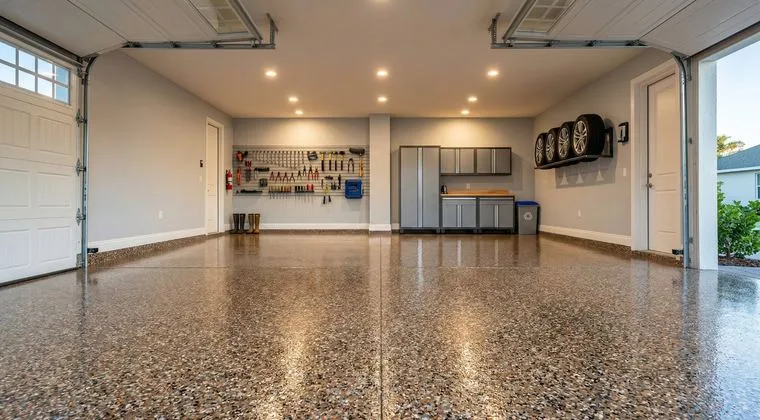
How Long Does an Epoxy Floor Last in Collier County?
Realistic lifespans and what shortens them in Southwest Florida.
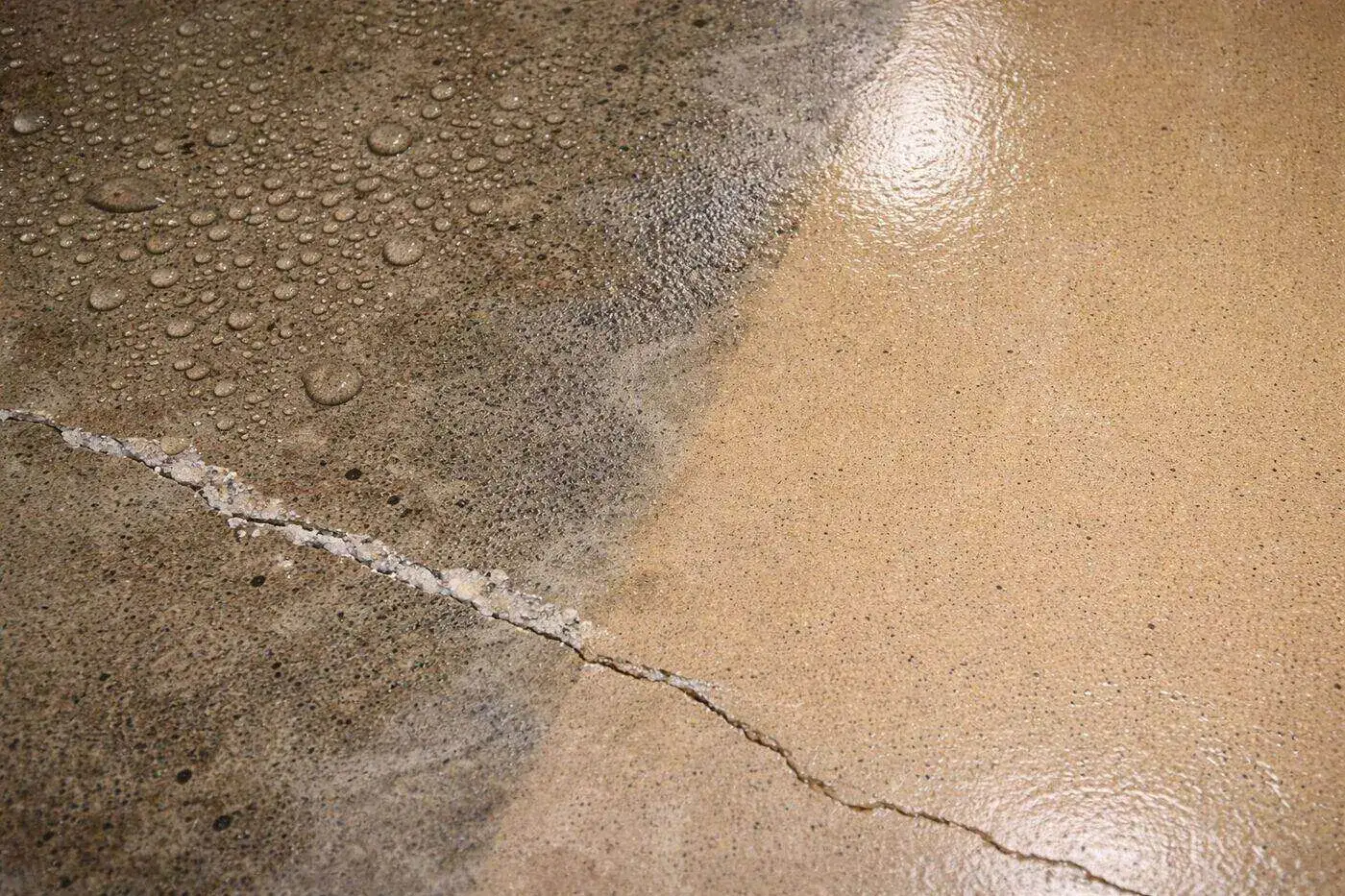
Why Epoxy Floors Fail in Collier County — and the Moisture Test That Prevents It
The high water table, MVT testing, and what to ask before you sign.

How Much Does Epoxy Flooring Cost in Collier County? (2026 Guide)
Real prices by finish and a typical 2-car garage total.